Best AR Experiences for Branded Events: Engage and Entertain
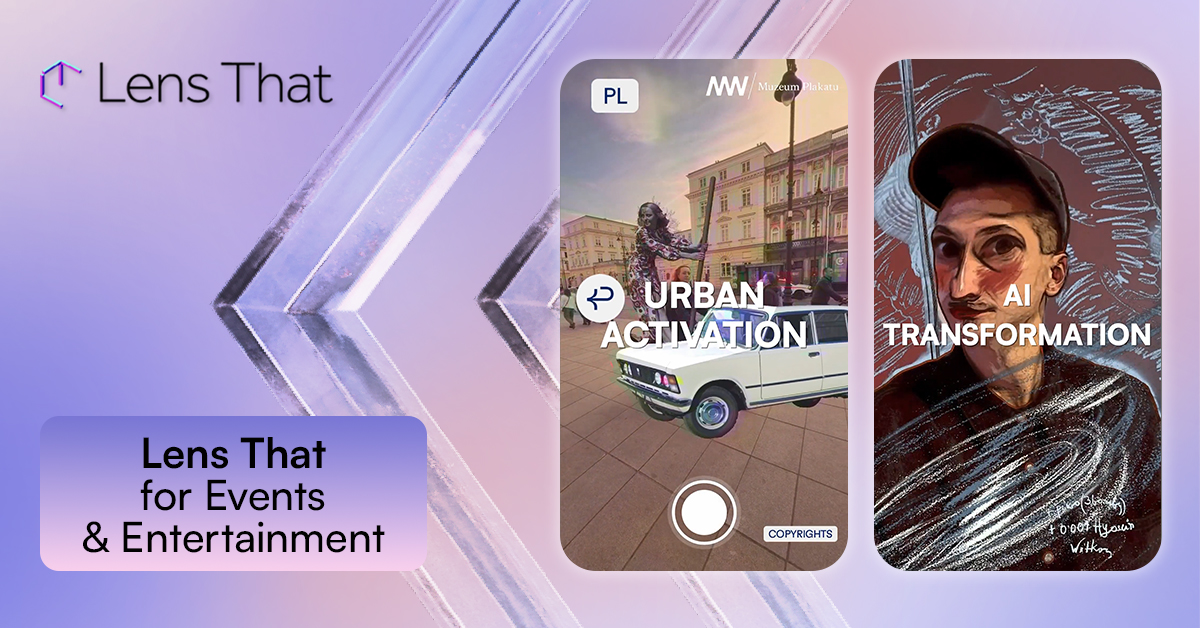
From AR experiences and interactive games to Smart Mirrors and LED Wall Effects, discover how digital activations can turn brand events, pop-ups, and sponsored live shows into memorable experiences that keep audiences engaged long after they leave.
Think about it: you spend months planning an event for your brand. Guests are arriving, everything is running smoothly, and the atmosphere is great. But something is missing.
That “something” might be an interactive experience that gives attendees a chance to do more than just watch and participate in what’s already happening. Something that allows them to become part of the event, discover additional content, unlock exclusive rewards, or take home a personalized digital souvenir.
And the best part? It doesn’t have to involve complicated technology or additional equipment. Sometimes, all it takes is a smartphone. Other times, a large interactive screen or a Smart Mirror can become the main attraction.
There are plenty of ways to make an event more engaging, and the good news is that at Lens That, we do them all.
We’ve worked with brands, festivals, cultural institutions, and the entertainment industry to create interactive experiences that capture attention, encourage participation, and give audiences something to remember long after the event is over.
See our full offer for Events & Entertainment 👉 hereWhy Use AR for Event Marketing? Key Benefits and Statistics
Before we get into the different types of AR experiences for event marketing, let’s take a look at what the data says about incorporating augmented reality into offline brand experiences like pop-up stores, events, retail spaces, entertainment zones, and live show experiences.
AR helps visitors explore venues, access information, and engage with events in new ways, responding to growing consumer demand for immersive experiences while creating opportunities for greater event visibility and social media sharing.
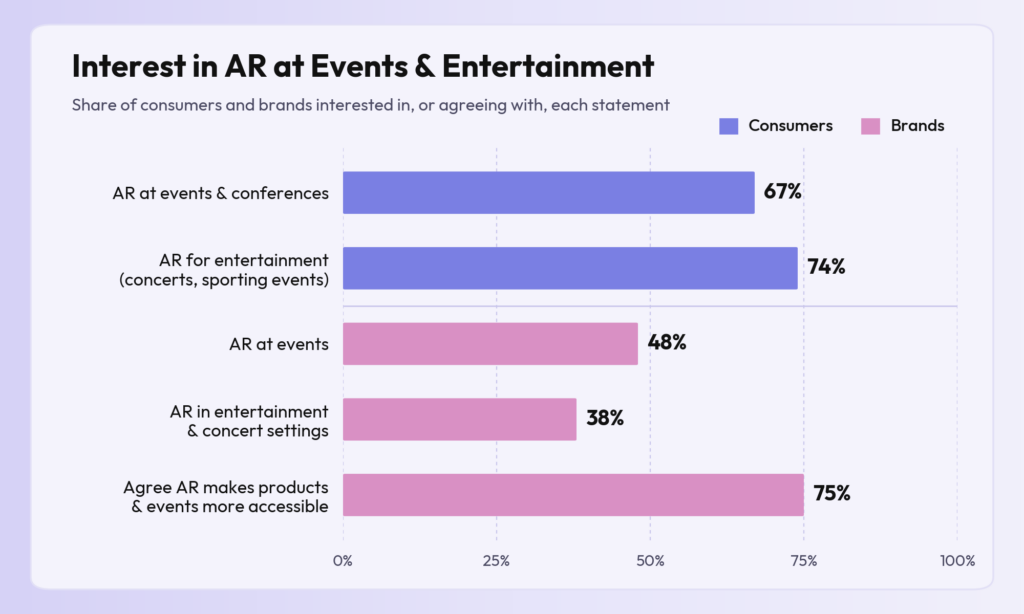
And the numbers support this growing interest. 67% of consumers are interested in experiencing AR at events and conferences, while 74% would like to use AR for entertainment, including concerts and sporting events.
On the brand side, 48% express interest in bringing AR experiences to events, while 38% are interested in using the technology in entertainment and concert settings. Additionally, 75% of brands agree that AR can help make products and events more accessible to audiences.
These numbers highlight the potential of AR to make events more interactive, engaging, and accessible, creating value for both attendees and organizers.
Here are four ways to bring interactive technology into your next event.
1. Personal Devices: Extra Content, No Additional Hardware
One of the biggest advantages of experiences designed for personal devices is that they don’t have to be limited to the event’s location or timeline.
While exclusivity plays an important role in event-focused activations, making interactive content accessible through smartphones opens up opportunities to engage audiences before, during, and after the event.
Before the start of an event, or launching your brand’s pop-up zone, an AR experience or interactive game can help build anticipation. During the event, it can encourage attendees to explore the venue, discover exclusive content, or unlock rewards. And afterward? It becomes a way to revisit those moments, share memories, and keep the conversation going.
Suddenly, your brand activation becomes more than a one-time experience. It becomes something attendees can personalize and share through their own devices.
QR-enabled web games, AR effects, digital scavenger hunts, and interactive guides are just a few ways to make this happen.
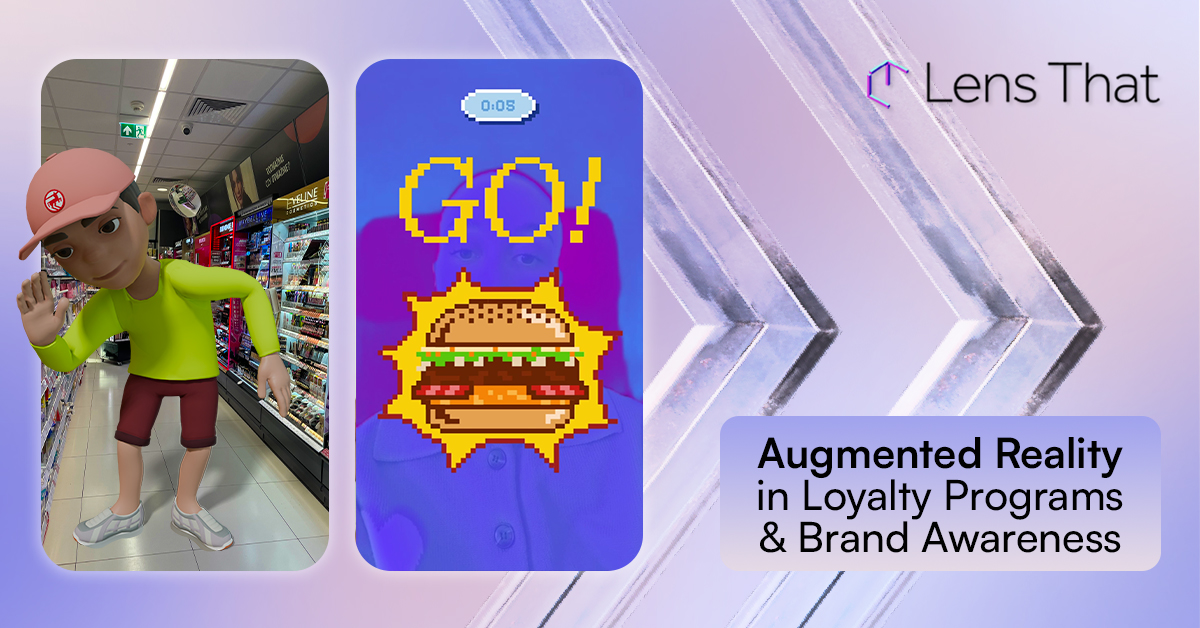
For example, in our collaboration with Heineken, we used AR to transform a pub into an interactive museum, allowing visitors to discover additional content through their phones.
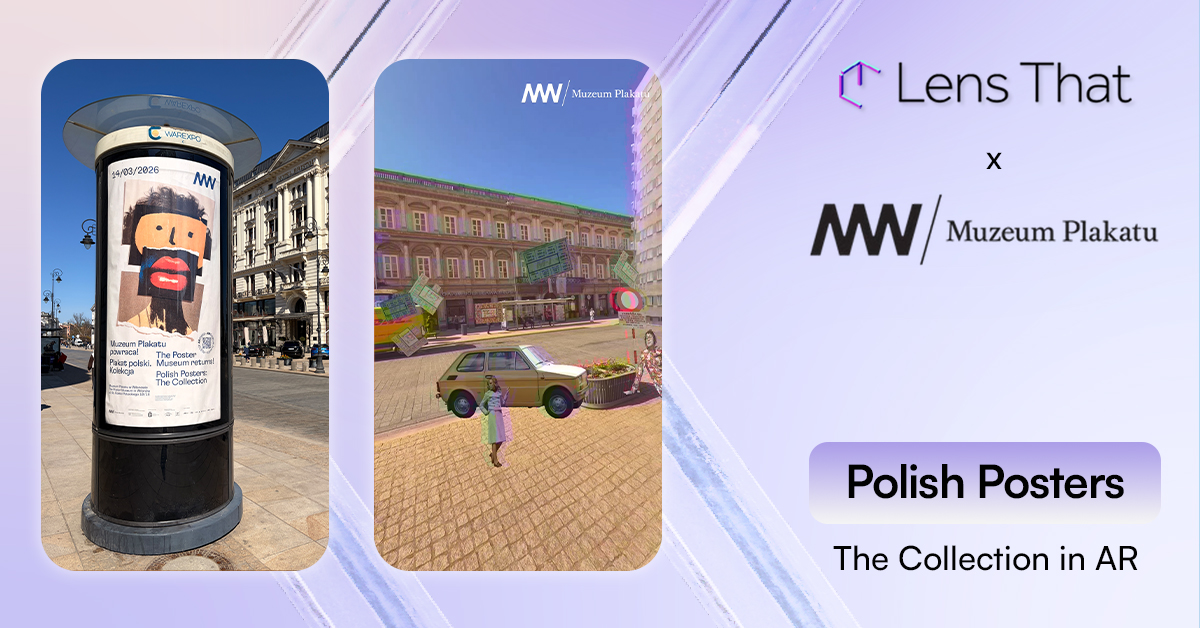
Personal devices can also become portals to digital art installations. For Dubai Design Week, we enhanced a physical installation with digital content, adding another layer to the visitor experience. In our collaboration with Philips Refurb, we went a step further, bringing a fully digital installation into the middle of a city center.
And that’s just the beginning. From interactive maps and gamified venue exploration to exclusive content, loyalty rewards, and branded experiences, personal devices offer countless opportunities to make an event more engaging.
All without requiring attendees to download dedicated apps, wait in long queues, or use additional hardware, when the experience is delivered directly through the web.
2. Face Smart Mirrors: Make Your Guests the Main Characters
Whether it’s an official brand event, retail space, or a pop-up store, people want to feel like they’re part of the experience, not just spectators. Interactive experiences encourage active participation, instantly making the on-site activation more engaging, personal, and memorable. And what better way to achieve that than by putting attendees right at the center of the experience?
Face Smart Mirrors turn attendees into the main characters of interactive experiences, using face tracking and AR technology to transform their appearance, let them try on virtual products, or interact with digital content in real time.
The interaction is immediate and intuitive. Guests step in front of a screen, see themselves transformed, and can leave with a printed keepsake or a QR code linking to their personalized content.
It’s not only memorable on its own, but it can also become a starting point for further engagement, connecting attendees to exclusive rewards, product information, e-commerce, or other brand experiences.
Virtual try-ons are among the most popular applications, especially for beauty, fashion, jewelry, and accessories. We’ve previously created Smart Mirror experiences for brands including L’Oréal Paris, Essence, AA, and Muscat, giving audiences an interactive way to discover and experiment with products.
But there’s so much more you can do with face tracking.
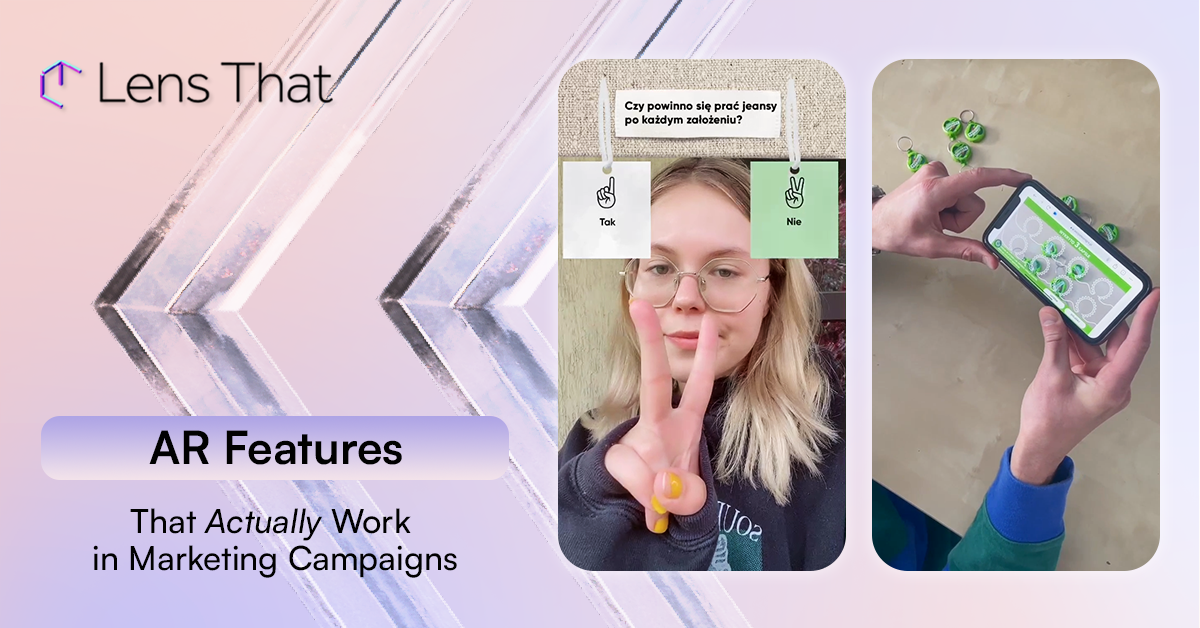
Think head-controlled quizzes, spooky makeovers, character transformations, interactive games, funny randomizers, and personalized AR effects. Each format offers a different way to engage attendees, depending on your event’s theme and goals.
Whether you’re launching a new product, organizing a beauty event, or simply looking for an interactive attraction that gets people talking, Face Smart Mirrors can turn a quick interaction into a memorable brand moment.
Learn more about the best AR Features for branded campaigns here.
3. Body Smart Mirrors: Turn Movement Into an Experience
One way to make an offline brand activation truly memorable is to offer attendees something they can’t easily experience anywhere else.
That’s where Full-Body Smart Mirrors come in.
Unlike face-focused experiences, Full-Body Smart Mirrors use body tracking technology to detect movements and limb positions, allowing guests to interact with digital content using their entire bodies.
They can control games, trigger visual effects, become part of digital artworks, or transform into entirely different characters, all through natural movement.
And because these experiences are usually displayed on large screens, they’re highly visible even from a distance. They attract attention, encourage people to stop and watch, and often turn individual interactions into entertainment for everyone nearby.
For brands and event organizers, that means more than just a fun activation. It creates a natural gathering point, a conversation starter, and an opportunity for attendees to capture and share photos or videos.
We’ve brought this technology to a wide range of cultural events, pop-up stores, and branded campaigns.
For the Netflix 1670 Season 2 event, we created an interactive mirror that transformed fans into peasants or nobles, bringing the show’s world to life through a playful, personalized experience. Another example of AR Smart mirror, but this time in art & culture, was working with Royal Łazienki, we gave exhibition visitors the opportunity to become part of the artworks themselves, creating a new way to interact with art.
We’ve also developed immersive installations for Samsung and full-body tracking games for brands and organizations including McDonald’s, Legia, and LEGO.
From entertainment and gaming to art and education, Full-Body Smart Mirrors make participation a central part of the branded offline initiatives, turning visitors from spectators into active participants.
4. LED Wall Effects: Put Your Audience in the Spotlight
Sometimes, the best way to engage an audience is to make them part of the show.
LED Wall Effects bring live, camera-based AR experiences to large screens, turning selected attendees into the stars of a shared visual moment.
Imagine sitting in a stadium, concert venue, or festival crowd when suddenly your face appears on the big screen, transformed with a funny AR effect or integrated into the show’s visual design.
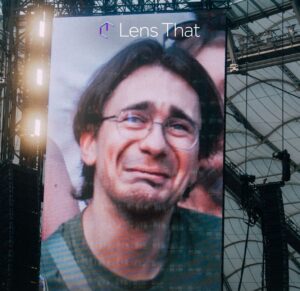
For a few seconds, you’re the main character, with thousands of people watching.
It’s a simple concept, but one that can turn an ordinary moment, like waiting for a concert to start, into a highlight of the event.
These effects can transform attendees into characters, add playful animations, create unexpected visual moments, or connect audience participation directly to the performance.
And unlike experiences designed for individual devices, LED Wall Effects create something the entire audience can enjoy together.
We brought this idea to life during Dawid Podsiadło’s concert tour, where we used a crying face emoji AR effect to transform attendees appearing on the venue’s big screens. What would otherwise have been time spent waiting for the performance became another entertaining part of the concert experience.
For event organizers, LED Wall Effects are an opportunity to keep the audience engaged between performances, introduce interactive moments into the show, and create content that people will want to capture and share.
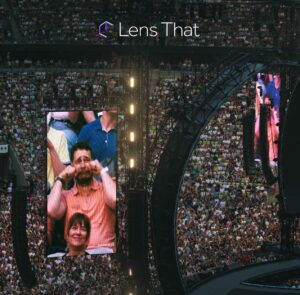
Whether it’s a concert, sporting event, festival, or large-scale brand activation, putting attendees in the spotlight can make the entire experience feel more personal and memorable.
Make Your Next Brand Event an Experience Worth Remembering
A successful event, pop-up activation, or any other branded space isn’t just about what happens on stage, who’s performing, or which products are being presented. It’s also about how people experience those moments and what they take away from them.
Interactive technology gives brands and event organizers more ways to make that happen.
A smartphone-based AR experience can encourage guests to explore and discover. A Face Smart Mirror can give them a personalized souvenir. A Full-Body Smart Mirror can turn movement into entertainment. And an LED Wall Effect can transform an entire crowd into part of the show.
Each format works differently, but they all share one goal: turning passive audiences into active participants. And when people become part of an experience, they’re more likely to remember it, talk about it, and share it with others.
At Lens That, we help brands turn these opportunities into interactive experiences tailored to their audiences, event formats, and campaign goals.
Planning an event and looking for a way to make it more engaging? 🎯 Contact us, and let’s create something your attendees will remember long after it’s over. 📩 Here’s more information about services, prices, and other projects we can do for you.