How Brands Use Augmented Reality in Loyalty Programs
Learn how brands use Augmented Reality in loyalty programs and marketing strategies to increase engagement, build long-term loyalty and become the choice that customers keep coming back to.
In today’s market, customers have almost unlimited choice when looking for a product. For brands, making a sale is only the first step. The bigger challenge is becoming the brand customers actively and intentionally choose again and again.
In a world where consumers seek genuine connections with the brands they choose, retailers are focusing more on loyalty programs, personalized communication, exclusive rewards, and community-building experiences, all designed to turn occasional buyers into returning customers.
Loyal customers spend about 67% more than new customers and are worth 2.5 times more revenue.
But what role can Augmented Reality play in building that relationship?
From TikTok AR Effects and interactive product experiences to gamified loyalty apps and reward-based campaigns, AR gives brands a way to make loyalty more interactive, personal, and memorable.
Why Use Augmented Reality to Build Brand Loyalty?
Traditional loyalty programs often rely on points, discounts, and exclusive offers. While these incentives can be effective, brands also need to give customers a reason to actively engage with them between purchases.
This is where AR can make a difference.
AR turns loyalty from a transactional relationship into an experience. Instead of simply rewarding customers for buying something, brands can give them opportunities to play, explore, personalize, collect, share, and interact.
The result is a relationship built around more than a single purchase. AR turns loyalty into brands and customers actively choosing each other.
AR Makes Brand Experiences Easy to Access
One of the biggest advantages of mobile AR is accessibility. In most cases, customers only need a smartphone to interact with an AR experience.
That makes AR particularly useful for extending campaigns beyond physical stores and traditional advertising. Brands can bring interactive experiences directly to the platforms where their audiences already spend time, including social media apps such as TikTok.
This is especially relevant when targeting younger consumers. Interest in AR on social media is particularly strong among Gen Z and Millennials, making social AR a natural way for brands to introduce interactive experiences to these audiences.
Instead of asking customers to seek out a separate experience, brands can meet them where they already are.
How Social AR Can Strengthen Customer Relationships
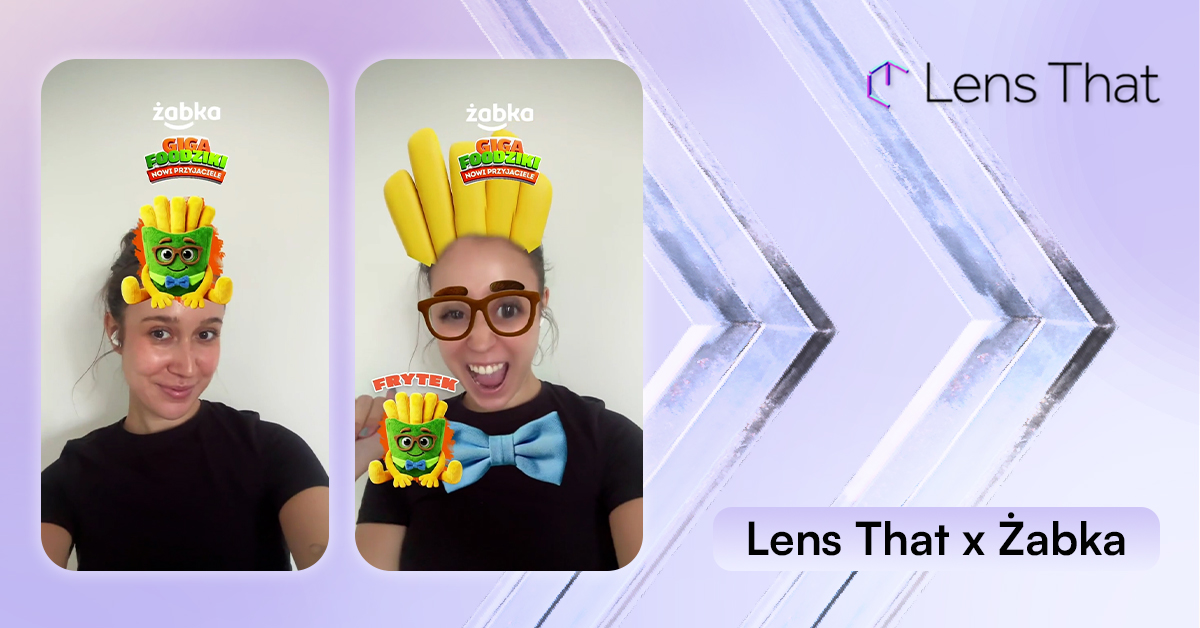
Social AR is particularly effective for loyalty-building when the experience is simple, entertaining, and connected to the brand. A good example is our collaboration with Żabka, one of Poland’s best-known convenience store chains.
Żabka has built strong recognition among younger consumers through its accessibility, promotions, loyalty initiatives, and distinctive brand identity. Its Foodziki characters, introduced as collectible mascots in a lottery campaign, became another recognizable part of the brand.
We extended that phenomenon to TikTok, inviting customers to interact with the brand through AR on a platform they already use. The Effect matches users with a Foodziki character and lets them become it. Face tracking transforms users into the quirky mascots, adapting their facial features to create a playful version of the character.
The experience is quick, simple, entertaining, and easy to share.
For social AR, complex mechanics are not always necessary. Entertainment, accessibility, personalization, and shareability can matter more.
How AR Can Improve Loyalty Apps
As more retailers develop their own apps, simply offering points, discounts, and digital coupons is no longer enough to differentiate the experience. Brands need to give customers reasons to return even when they are not actively shopping.
Adding AR, however, can become particularly valuable with the gamification, personalization, and entertainment that it offers.
A loyalty app can become more than a simplified shopping experience. It can become a space where customers interact with a brand, build a digital identity, participate in games, collect rewards, and connect with a community.
Rossmania: Turning Loyalty Into an Interactive Experience
A strong example is Rossmania, an experience we developed inside the official Rossmann app.
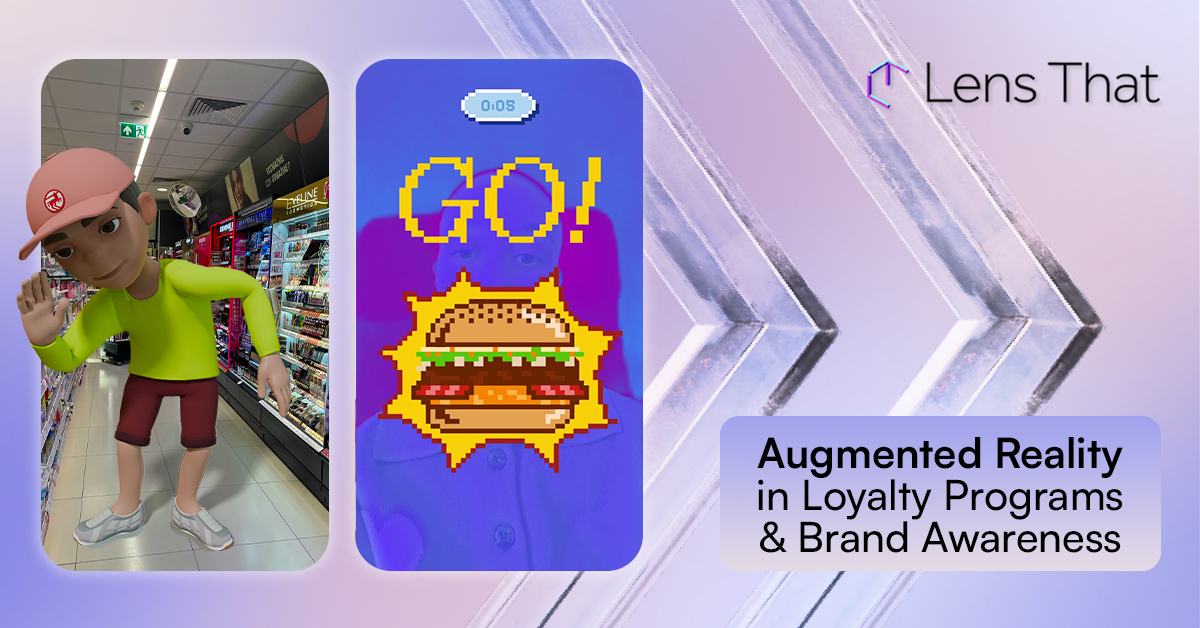
Instead of making loyalty purely transactional, Rossmania gives users a digital avatar to personalize and develop through:
➡️ Outfits and accessories
➡️ Monthly games
➡️ Points from gameplay and in-store interactions
➡️ Digital and physical rewards
➡️ Rankings and friend comparisons
Why does it matter? 65% of Gen Z consumers spend more due to personalization, according to the recent studies.
Points can be spent on digital items, encouraging users to return. The experience also connects the app with Rossmann stores, where interacting with products can unlock bonus points and limited-edition merchandise.
This creates a continuous loop between app engagement, gameplay, shopping, and rewards, giving customers a reason to return.
AR as a long-term loyalty strategy
A traditional loyalty program follows a simple cycle:
Buy ➡️ earn points ➡️ receive a reward
Augmented Reality can extend that experience, giving them more opportunities to interact with the brand and impacting how customers perceive the brand.
Interact ➡️ share ➡️ remember ➡️ return ➡️ buy
When AR experiences are genuinely useful or entertaining, customers spend more time interacting with them. They can also become memorable touchpoints that customers associate with the brand.
Instead of communicating, “Buy from us again,” the brand is effectively saying, “Here’s something you can enjoy.”
That makes the relationship feel more personal and customer-focused.
AR Helps Brands Build Memorable Experiences
An AR Effect, game, try-on, randomizer, or interactive product experience invites users to participate rather than simply watch. That active participation naturally keeps them engaged for longer, with average sessions reaching 84 seconds.
For brands, this creates an opportunity to become a regular part of the customer experience rather than just another advertisement in their feed. And the impact can go beyond engagement: AR experiences can drive a +22-point lift in brand awareness compared to standard display advertising.
McDonald’s: Building Consistency Through AR
We have worked with McDonald’s on multiple AR activations over the years, extending different campaigns to TikTok communities through AR Effects.These activations have supported different communication goals, from introducing products and celebrating anniversaries to creating moments of community and entertainment.
One example was a mask campaign created during the COVID-19 pandemic, when brands were looking for new ways to communicate and connect with audiences digitally.
Individually, an AR Effect might seem like a small activation. But when AR becomes part of a consistent communication strategy, each experience can contribute to a larger relationship between the brand and its customers.
The goal is to repeatedly give customers positive, memorable reasons to interact with the brand, building trust.
AR Can Start Building Brand Loyalty Before the First Purchase
Brands can start building a community years before a customer has the purchasing power to become a regular shopper. This creates an interesting opportunity for premium and luxury brands.
A younger consumer might not currently be able to afford a product from a luxury fashion brand, but that doesn’t mean there is no value in engaging them today.
Building a Future Customer Relationship
AR can make brands feel more accessible by allowing younger audiences to interact with them in ways that don’t require purchasing, through easily accessible games, transformations, quizzes, and try-ons.
Over time, those interactions can build familiarity and positive associations. When their purchasing power increases, the brands they already recognize and associate with positive experiences can have an advantage.
We’ve seen this before, working with luxury brands like Valentino, Calvin Klein, Fendi x Versace, and Bloomingdale’s. By inviting younger audiences to step into the digital worlds of these brands, AR makes them feel more familiar and accessible. It lowers the barrier to entry, helping younger consumers build a connection with the brand long before they become its customers.
In this sense, AR marketing can contribute to long-term brand building long before the first purchase happens.
How Brands Can Use AR to Unlock Exclusive Content
AR can also extend loyalty campaigns beyond social media and into physical products, packaging, and retail environments. In this approach, AR is a tool for unlocking an experience, rather than the experience itself.
Our collaboration with Tymbark is a good example.
Tymbark: Connecting Physical Products With Digital Rewards
For Tymbark, one of Poland’s largest FMCG brands, we created a web-based AR experience that connected real-life products with interactive digital content and rewards.
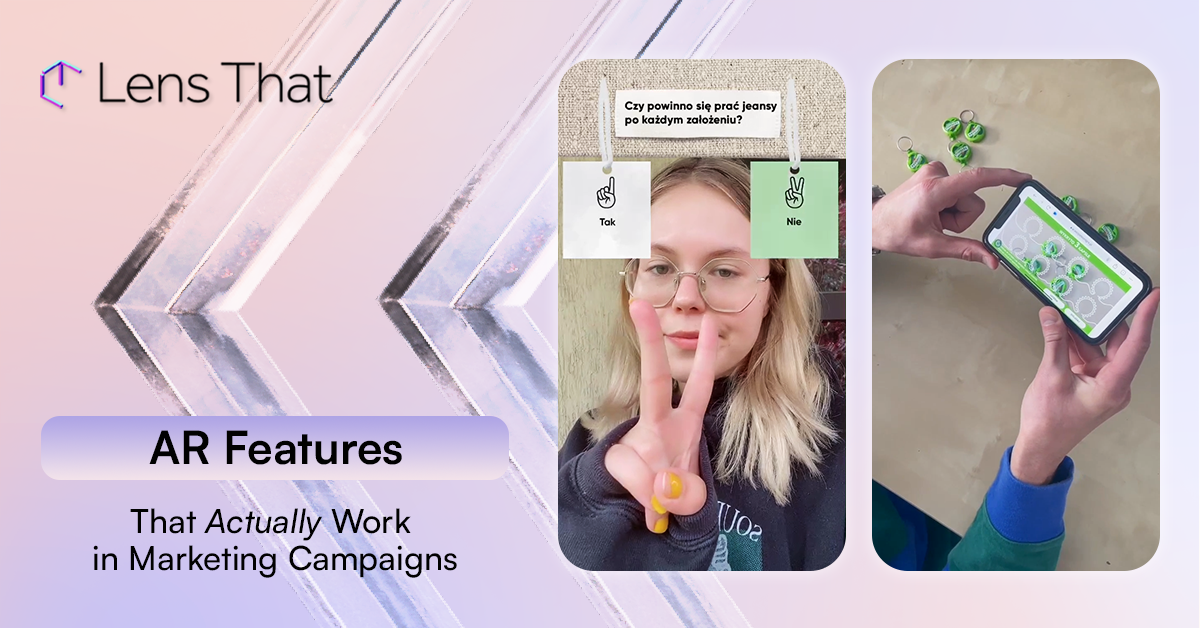
The campaign encouraged customers to purchase Tymbark drinks and collect the brand’s recognizable caps. Users could then scan the caps through the AR experience to unlock exclusive content featuring trending Polish musical talents, as well as entries into a Tymbark-powered lottery.
The more caps users scanned, the greater their chance of winning.
There was also an additional incentive for completing the collection. Users who collected and scanned all eight caps received early access to the campaign’s flagship music video before its public release.
This transformed a simple product purchase into a larger journey, where Augmented Reality becomes a bridge between the customer and a brand, turning a simple product purchase into a rewarded quest.
How to Use AR to Build Brand Loyalty
For brands considering AR as part of their loyalty strategy, the most effective approach is to think beyond a single Filter or campaign. Think about the bigger picture, and consider how AR can
🔹Extend existing loyalty programs
🔹Reward engagement, not only purchases
🔹Connect digital and physical experiences across apps, stores, packaging, and products
🔹Give customers exclusive content that make them want to participate
🔹Encourage repeat interaction through games, collections, challenges, and evolving content
🔹Personalize the brand experience through avatars, try-ons, randomizers, and interactive effects.
🔹Meet audiences where they already spend time, including social platforms such as TikTok.
🔹Build relationships before purchase, particularly with younger audiences.
In short, it’s all about asking “What value can we give customers that makes them want to come back?”